
Content remains King: But only when it is created with love.
17.11.25

Content is and should be a staple part of your marketing strategy – helping you and your organisation to achieve traction, grow audiences and of course, deliver leads and support sales. Whilst the marketing team will strategise and deliver the content, the *actual* detail is likely to come from teams right across an organisation. So it’s vital everyone understands its value.
So, how do you do it? What makes good content, and why oh why does it need to be different lengths? Do you just need to create small bits of content and feed these on to social media at different times of the day, or do you need to invest a huge amount of time in creating lots of detailed blog posts? Well, the answer is (annoyingly) both yes and no!
Content creation has evolved from a nice-to-have marketing add-on from a few years back, to an absolute business necessity. Companies that master content creation don’t just communicate with their audiences – they build communities and passionate brand advocates, they establish greater authority, and drive more sustainable growth. The question isn’t whether a business needs content, but rather how to make the most of its full potential.
Content Creation Matters More Than Ever
‘Content’ in all of its varying shapes, sizes and sounds serves as the foundation of modern marketing strategy, it addresses multiple business objectives at the same time. Quality content builds brand awareness, establishes thought leadership, and creates genuine connections with target audiences. It drives organic traffic through search engine optimisation (SEO), it nurtures leads through the sales funnel, and provides value that keeps customers returning time-after-time.
The numbers speak volumes: businesses that prioritise content marketing generally see better conversion rates than those that don’t – obviously that’s a sweeping statement – but in most sectors it holds true. Moreover, content-driven strategies often cost less than traditional above-the-line tactics, whilst often generating more higher quality leads. This isn’t just about saving pennies and pounds, it’s about creating a sustainable, long-term competitive advantage.
Content also plays a crucial role in customer education and support. Well-crafted content answers questions before they’re asked, this in turn reduces the need for support, and empowers customers to make informed decisions. How many times have you jumped online to find a solution, before you’ve even thought of picking up the phone to call an off-shore customer service team?
This proactive approach builds trust and positions brands as a reliable resource rather than just ‘another company’.
The Art and Science of Content Creation
Creating effective content requires balancing creativity with strategic thinking. The best content generation starts with understanding your audience —their pain points, preferences, communication styles, and buying habits. This should inform the creative decisions that follow. Never start with the creative and try to retro-fit a strategy.
Successful content creation follows a structured approach.
- Begin with comprehensive audience research and a review of competitors to identify content gaps and opportunities. If you have multiple markets, then consider developing detailed buyer personas that guide tone, style, and messaging decisions across them all.
- Create a content calendar that aligns with business objectives, seasonal trends, and customer journey stages. Don’t be frightened of referring back to overall business objectives to keep the content focussed and relevant.
- In general terms, quality beats quantity in content creation. One well-researched, thoughtfully crafted piece often outperforms dozens of hastily created posts. Focus on providing genuine value through insight, practical solutions, or unique perspectives. Authenticity resonates more than polished perfection, especially when it demonstrates real understanding of customer challenges. Our experience of developing social content resonates with social media research: people continue to buy from people, and authentic ‘people posts’ generally do that best.
- Consistency in voice, visual style, and publishing schedule builds brand recognition and audience expectations. Try and develop content guidelines that ensure creative consistency across all materials while allowing flexibility across different platforms.
Long-Form Content: Build authority and trust
Long-form content (quite literally long pieces of content) serves as the cornerstone of thought leadership and making sure a website is easily found, searched and ranked by a search engine – this is SEO (search engine optimisation). In-depth articles, comprehensive guides, white papers, and detailed case studies demonstrate expertise while providing value to readers. Search engines – like Google – prefer this longer, comprehensive content that demonstrates expertise, making long-form pieces essential for ‘organic visibility’ on the internet.
The benefits of long-form content extend beyond search rankings. Detailed content allows for exploration of complex topics, positioning a brand as an industry authority. It provides multiple opportunities for internal linking, keeping visitors engaged longer and staying on your website for a longer period of time. Long-form pieces also generate more social media shares, amplifying reach and impact.

Short-Form Content: Capture attention and drive engagement
Short-form content (the shorter, more concise brother to long-form content) excels at capturing attention in an increasingly saturated media world. Social media posts, brief videos, infographics, and concise tips fit naturally into busy schedules while delivering immediate value (and gratification!). This format works particularly well for supporting and increasing brand awareness, building communities and brand advocates, and driving traffic to longer content pieces – where more value can be added. Helping to push people through the ‘sales funnel’ if this is the language you speak.
The key to effective short-form content lies in precision and impact. Every word must contribute to the message, requiring careful editing and refinement. Visual elements become crucial for stopping people scrolling past your post and for communication information quickly. Strong hooks, clear value propositions, and compelling calls-to-action maximise engagement within limited space constraints.
Did you know there are around 95 million posts to Instagram each day – plus another 100 million people using Instagram Stories each day, and the platform has well over half a billion users each and every day – and that’s just Instagram! So, trying to find your own place on social media can be tough – but the potential outcomes are worth it.
Short-form content also enables more frequent publishing, keeping your brand visible and relevant. One key rule to remember is that regular posting maintains audience engagement across social media. This consistency builds familiarity and trust while providing multiple touchpoints throughout the customer journey. The other key rule is that ‘social’ media is so called, as it requires the poster to be ‘social’. So, expect to spend time on social posts communicating and engaging with your audience.
Consider short-form content as teasers for longer pieces. Brief posts can highlight key insights from comprehensive articles and drive traffic to your website. This strategy maximises the reach and impact of your content investment across multiple formats and platforms.
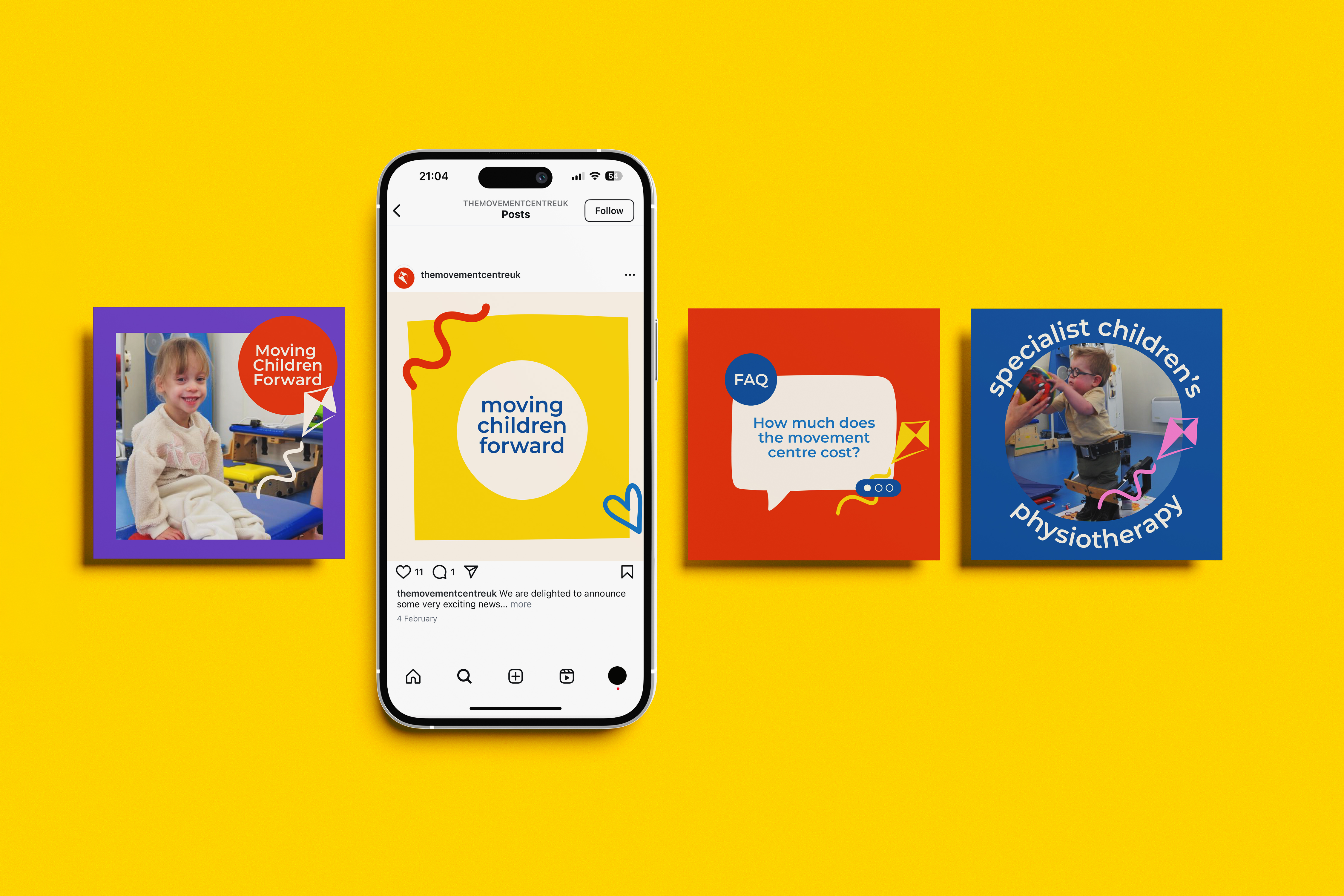
Choosing the Right Platform for Your Business
Simply put, a business has to be visible where its customers are. A business shouldn’t choose a platform that best suits its requirements – it needs to choose a platform that best suits its customers. Understanding where customers spend time and how they ‘consume’ information can guide strategic platform decisions – this is where buyer personas come into their own!
LinkedIn dominates B2B marketing, making it essential for companies targeting business decision-makers. The platform favours professional insights, industry analysis, and thought leadership content. LinkedIn’s targeting capabilities also support precise audience segmentation for both organic and paid content.
Instagram and TikTok excel for visual brands and younger demographics. These platforms reward creativity, authenticity, and trend awareness. Video content performs exceptionally well, making them ideal for brands that can create engaging visual narratives. The platforms also support e-commerce integration for direct sales opportunities.
YouTube serves as the world’s second-largest search engine, making it valuable for educational, demonstration and review content. Long-form videos perform well for detailed tutorials, product showcases, and thought leadership discussions.
Facebook remains powerful for community building and local businesses. Groups and pages facilitate ongoing conversations with customers and prospects. The platform’s advertising tools support precise targeting and retargeting campaigns based on engagement with content.
Final thoughts: Build a long-term content strategy
Long-term success requires viewing content creation as an ongoing investment rather than a tactical quick fix. Develop processes that support consistent, quality content creation.
Content is one of the most powerful marketing tools available to businesses. When executed well, it builds lasting relationships with customers, establishes authority, and drives growth. Companies that commit to quality content creation position themselves for long-term success in an increasingly competitive landscape.
Find out how Source can help you develop and grow your social media presence – growing your brand for future success.